
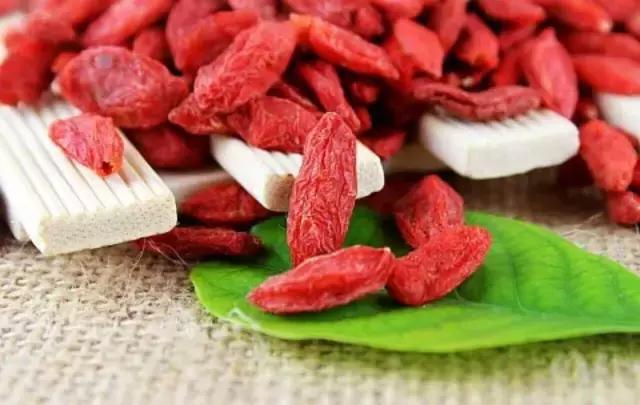
A compositional study from the University of Turin that put goji berry side by side with common fruits instead of treating it in isolation — which makes it unusually useful as a sober reference point.
How the study was done
Researchers at the Department of Agricultural, Forest and Food Sciences built an HPLC fingerprint of the bioactive compounds in Lycium spp. fruit, then compared the quality traits and antioxidant activity against the most common fruit species.
What it found
Goji berry was identified as a rich source of antioxidant compounds, with health-promoting properties the authors describe as comparable with other common fruit species. The resulting analytical fingerprint was proposed as a way to better characterise the nutraceutical traits of the species.
Limitations worth stating
This is a compositional and in-vitro bioactivity study. It does not test any health outcome in people.
Why this matters when sourcing goji berries
Two practical takeaways. First, the honest framing — “comparable with other common fruits” — is a useful counterweight when a customer arrives with superfood marketing expectations. Second, HPLC fingerprinting is exactly the technique used to verify identity and origin, so this paper is a reasonable reference if you are building an authenticity or adulteration check into your incoming QC.
Source
Donno D, Beccaro GL, Mellano MG, Cerutti AK, Bounous G. Università degli Studi di Torino, 2014 — read the original paper.
Research summary. This page summarises independently published research on Lycium barbarum for reference. It is not a health claim and not a statement about any product we supply. Union-Sure supplies goji berries as a food ingredient; we make no medical or therapeutic claims.