
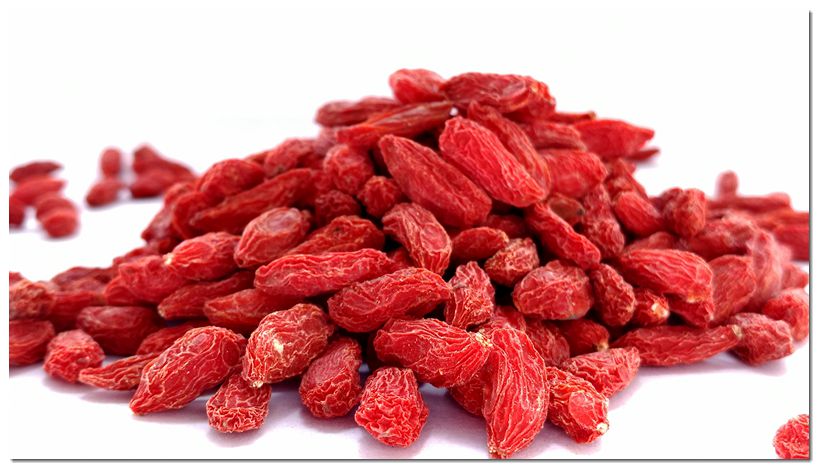
One of the few randomised controlled trials on goji berry and eye health, published in Optometry & Vision Science in 2011. It is frequently cited in supplement dossiers, so it is worth knowing what it actually tested.
How the study was done
A double-masked, randomised, placebo-controlled trial in 150 healthy elderly subjects aged 65 to 70. One group received 13.7 g per day of a proprietary milk-based goji formulation (Lacto-Wolfberry) and the other a placebo, for 90 days. Subjects had direct ophthalmic examination of macular pigmentation and soft drusen count, plus blood tests for plasma zeaxanthin and total antioxidant capacity.
What it found
In the supplemented group, plasma zeaxanthin rose 26% and total antioxidant capacity rose 57%; neither changed in the placebo group. The placebo group showed hypopigmentation and soft drusen accumulation in the macula over the 90 days, while the supplemented group stayed stable. No product-related adverse events were reported in either group.
Limitations worth stating
The trial tested a specific milk-based formulation, not dried goji berries eaten as fruit. Anyone citing this study for a dried-berry or powder product is citing something that was not tested. The trial also ran 90 days in one age group, so it says nothing about long-term use or younger populations.
Why this matters when sourcing goji berries
Zeaxanthin content is the specification supplement brands most often ask about when they source goji, and this is one of the few human trials that measured it as a plasma outcome. If your customer is building an eye-health positioning, expect this paper to come up — and expect their regulatory team to notice the formulation caveat above. We can provide zeaxanthin figures on the certificate of analysis where the lot has been tested.
Source
Bucheli P, Vidal K, Shen L, Gu Z, Zhang C, Miller LE, Wang J. Optometry & Vision Science, February 2011; 88(2): 257–262 — read the original paper.
Research summary. This page summarises independently published research on Lycium barbarum for reference. It is not a health claim and not a statement about any product we supply. Union-Sure supplies goji berries as a food ingredient; we make no medical or therapeutic claims.